

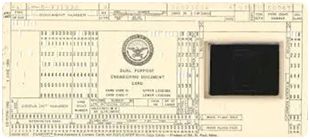
Aperture Card Sample
Microfilm and aperture card conversion represent essential processes in modernizing and preserving historical and critical documents. Microfilm, a technology dating back to the early 20th century, was used to store vast amounts of information on compact reels of film. However, with advancements in digital technology, the need for efficient access and preservation of these records has led to the conversion of microfilm and aperture cards into digital formats.
Microfilm conversion involves the digitization of microfilm rolls into electronic files. This process offers numerous benefits, including enhanced accessibility, reduced physical storage requirements, and improved document retrieval. Digital files are easily searchable, making it effortless to locate specific information within vast archives, saving time and resources.
Similarly, aperture card conversion is essential for organizations that have historically used aperture cards to store engineering drawings, blueprints, and technical documents. Converting aperture cards into digital formats ensures that these valuable records are not lost to degradation or misplacement. Moreover, digitized aperture cards can be seamlessly integrated into modern document management systems, streamlining workflow and collaboration among teams.
Both microfilm and aperture card conversion services employ cutting-edge scanning and imaging technologies to capture high-quality digital replicas of the original records. These digitized documents can then be stored securely, backed up, and easily shared across an organization or with the public, ensuring the preservation of valuable information for future generations.
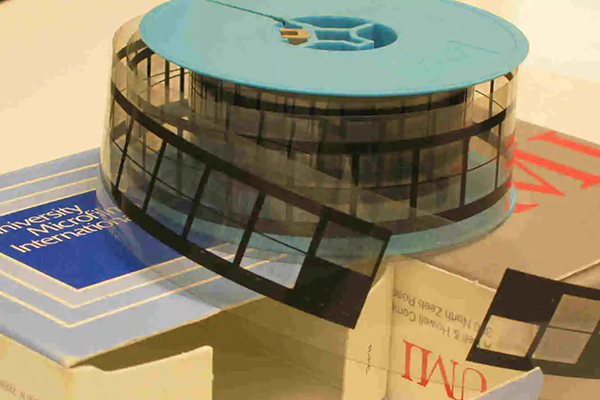
Microfilm Sample
In today’s digital age, microfilm and aperture card conversion play a vital role in safeguarding the past while facilitating efficient information access and management in the present and future.
